After a few days, your body should adjust to the medication’s blood pressure-lowering effects. These compounds may treat anxiety, mood, and focus at low doses. CBD and THC, cannabis plant compounds, have garnered attention recently.
We review them in detail in our guide on the side effects of CBD. And to see how each format is used, check our guide on how to use CBD. We go deeper into each case in our guides on CBD for anxiety, CBD for chronic pain and CBD for sleep, as well as a general overview of the benefits of CBD for wellbeing. For this reason, its potential role in regulating mood, easing anxiety and reducing inflammation is being researched.
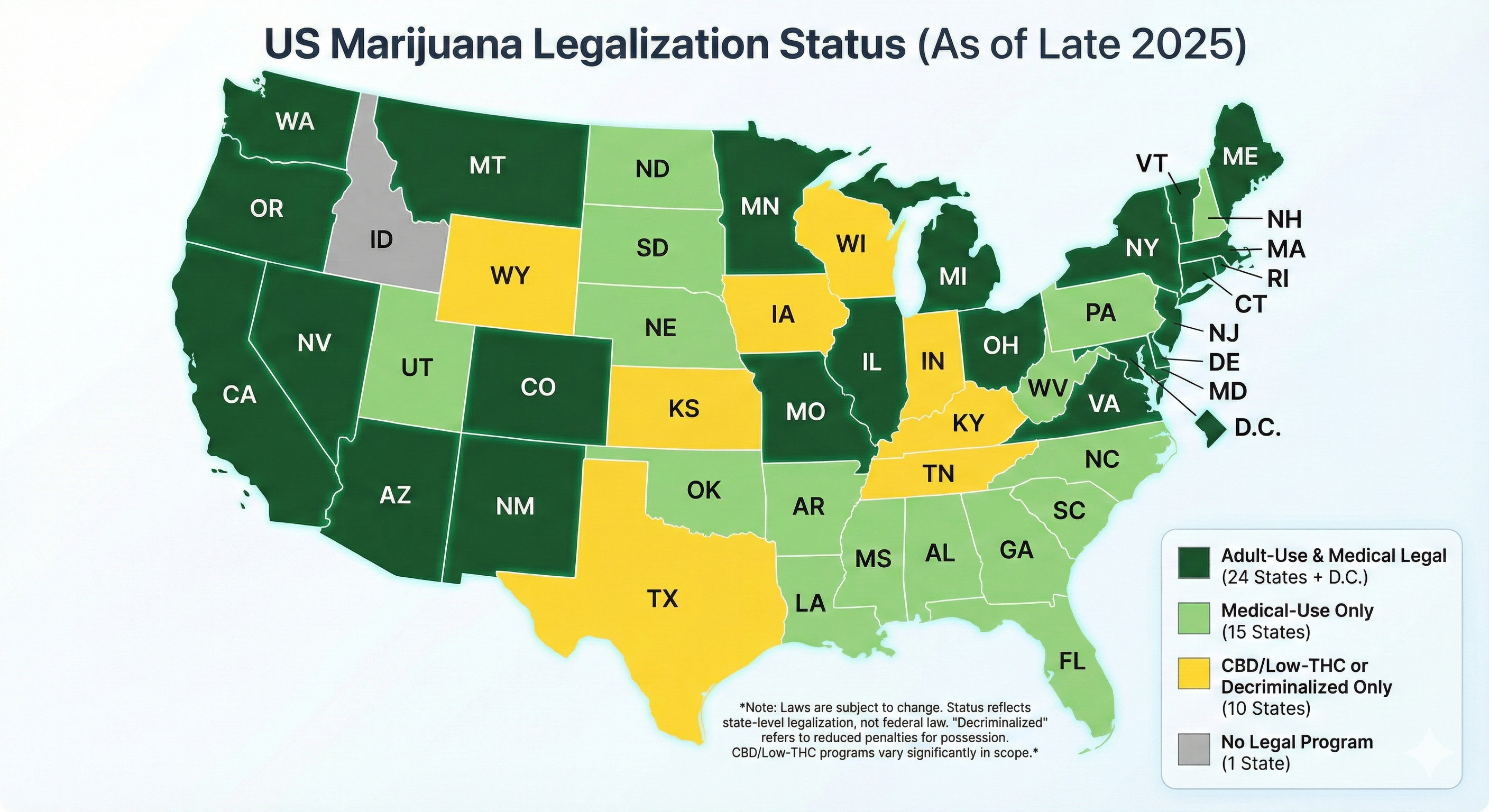
Discover the essential factors to consider when evaluating treatments based on cannabis. Although medical marijuana laws frequently change, as of February 1, 2025, comprehensive medical marijuana access programs exist in 39 states, along with the District of Columbia, Guam, Puerto Rico, and the US Virgin Islands.19 Tetrahydrocannabinolic acid A refers to the natural form of THC found in the cannabis plant.12 Among the over 100 compounds present in cannabis, phytocannabinoids like THC, CBD, and cannabinol (CBN) were the earliest to be identified and isolated.1,2
CBD became widely available as a wellness supplement following the US 2018 Farm Bill, which legalised hemp-derived CBD products. This guide provides a complete, evidence-based answer to the CBD vs THC question — covering mechanisms, medical applications, side effects, legal status, and the situations where each is most appropriate. Start with low doses when combining cannabinoids and consult a healthcare provider. If you face regular drug testing, CBD isolate products with verified third-party COA (showing no detectable THC) carry the lowest risk. CBD’s interaction with the ECS is considerably more complex and less direct than THC’s.
· Guide
If you’re looking for a way key moments in Leeds United history to manage anxiety without any mental fog, a CBD oil is your best bet. As you can see, their paths diverge significantly, from the feeling they produce to their standing with the law. Think of it like a key fitting perfectly into a lock, turning it on and triggering the release of neurotransmitters that create that classic feeling of euphoria. Making the right choice for your goals—whether that’s relaxation, relief, or recreation—starts with knowing exactly how they work. While both are powerhouse compounds from the cannabis plant, they offer remarkably different experiences and benefits. In reality, because it affects the mind—reducing anxiety and supporting mood—it is psychoactive.
Are there risks to using THC or CBD?
THC and CBD are just two cannabinoids within the cannabis plant, which contains more than 100 other identified compounds (1). Discover your ideal cannabis experience by visiting GreenSociety.cc today. Experience an effortless shopping journey and discreet delivery that brings top-quality cannabis products directly to your home. Many individuals may feel uncertain due to difficulties in choosing high-quality products that provide the desired effects without unexpected outcomes. The guide on CBD and its advantages provides further insights to help you make a well-informed choice suited to your specific requirements.
While THC tends to amplify feelings and symptoms of anxiety and autonomic arousal, CBD has the opposite effect, functioning as an anxiolytic. High doses of THC can lead to severe psychiatric symptoms in individuals with schizophrenia, such as hallucinations, delusions, and treatment-resistant psychosis, unresponsive to typical antipsychotic medications. Therefore, recent studies might indicate that long-term cannabis users experience more cognitive impairment due to shifts in the relative proportions of compounds. Nonetheless, significant differences exist between them regarding their potency. The cannabis plant contains 483 identifiable chemical constituents, with at least 85 distinct cannabinoids having been isolated from it.
THC and CBD offer distinct experiences, and understanding their nuanced differences can help you make an informed decision that aligns with your specific wellness objectives. The what is CBD and its benefits guide provides additional insights into responsible and informed cannabis compound consumption. Consumers should prioritize purchasing from reputable sources and consult healthcare professionals before incorporating THC or CBD into their wellness routine. Navigating the potential risks of THC and CBD requires a nuanced understanding of their complex interactions with the human body. The legal landscape surrounding cannabis compounds is complex and continually evolving, with significant variations between countries and jurisdictions. As WebMD explains, understanding these compounds requires recognizing their complex interactions within our endocannabinoid system.
Following usage, they may remain detectable in drug tests for several days or even weeks. In research where participants preferred CBD for chronic neuropathic pain relief, the potency did not seem to enhance their perception of the therapeutic effect. Derived from the cannabis plant, it is processed into an isolate that contains 99% pure CBD. Nevertheless, considerations such as dosage, frequency of use, and product quality may influence your response. Additionally, 10 other states permit access to limited amounts of low THC cannabis or CBD oil.
The best choice depends on individual health objectives and preferences, as well as any particular medical issues being addressed. To ensure maximum safety and effectiveness when using cannabis products, consulting medical professionals about potential drug interactions is crucial. Different types of cannabis products, such as edibles, tinctures, and concentrates, provide varying durations and timelines for the onset of effects. Understanding these mechanisms is essential for improving the medicinal use of both substances. It is crucial for prospective users to recognize these risks when contemplating the medicinal or recreational use of THC.