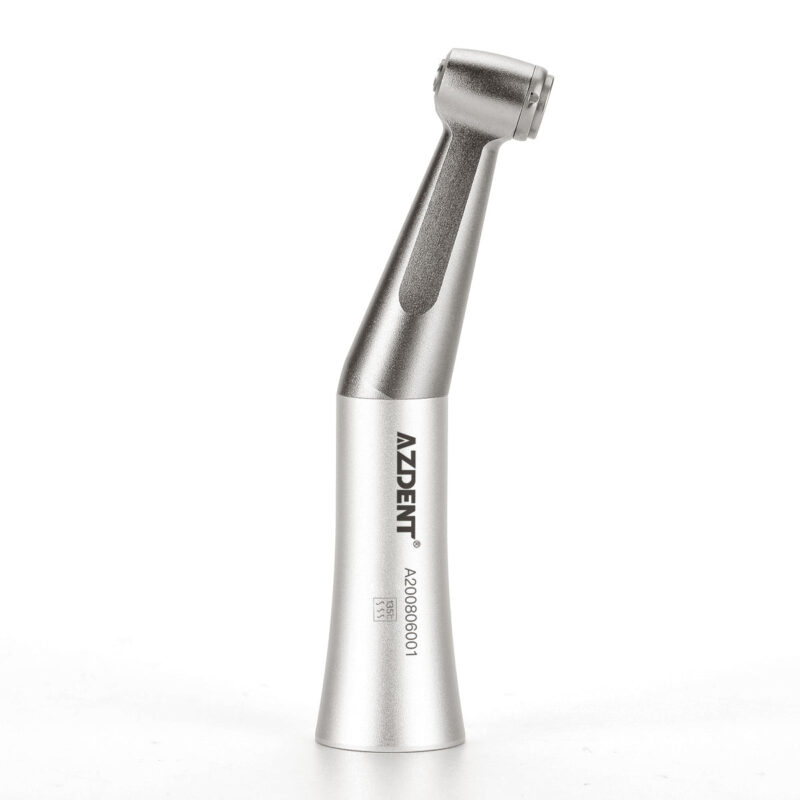
Endodontics is a branch of dentistry primarily concerned with the diagnosis and treatment of dental pulp and the tissues surrounding the roots of a tooth. As a crucial aspect of oral health care, endo dental practices have evolved over the years, incorporating innovative technologies and techniques to improve patient outcomes and minimize discomfort.
What is Endodontics?
Endodontics, commonly referred to as root canal therapy, involves procedures that treat infected or damaged dental pulp. The dental pulp is the innermost part of a tooth, containing nerves, blood vessels, and connective tissue. When this tissue becomes diseased or injured, it can lead to severe pain, swelling, and even tooth loss if not treated promptly.
Why is Endodontic Treatment Necessary?
Endodontic treatment is necessary to save a tooth that would otherwise need to be extracted. Common causes that necessitate such treatments include:
- Cavities that penetrate the tooth enamel and reach the pulp
- Trauma to the tooth due to injury
- Repeated dental procedures on the same tooth, leading to pulp damage
Without timely intervention, an infection in the dental pulp can spread to the surrounding tissues, leading to abscesses and severe complications. Endodontic therapy not only alleviates pain but also helps in preserving the natural tooth structure, allowing for more effective chewing and maintaining the dental arch’s integrity.
The Endodontic Procedure Explained
The root canal procedure generally involves several key steps:
- Diagnosis: The dentist will take X-rays to diagnose the issue and assess the extent of the infection or damage.
- Anesthesia: Local anesthesia is administered to ensure the patient is comfortable throughout the procedure.
- Access Opening: The dentist creates an opening in the crown of the tooth to access the pulp chamber.
- Cleaning the Canal: The dentist removes the infected pulp tissue using specialized instruments, followed by cleaning and shaping the canal.
- Filling the Canal: After cleaning, the canal is filled with a biocompatible material called gutta-percha to seal it and prevent further infection.
- Restoration: Finally, the tooth is restored with a filling or crown to protect it and restore its function.

Technological Advancements in Endodontics
The field of endodontics has seen significant advancements, making procedures more efficient and comfortable. Some of the key technological developments include:
Digital Imaging
Digital radiography provides clearer images with lower radiation exposure. Dentists can easily identify root canal issues, aiding accurate diagnoses.
Endodontic Microscopes
These specialized microscopes enhance visibility during procedures, allowing for more precise treatment of difficult-to-access areas within the tooth.
3D Cone Beam Imaging
This imaging technique provides 3D visuals of a patient’s oral anatomy, enabling endodontists to plan treatments more effectively.
Rotary Endodontics
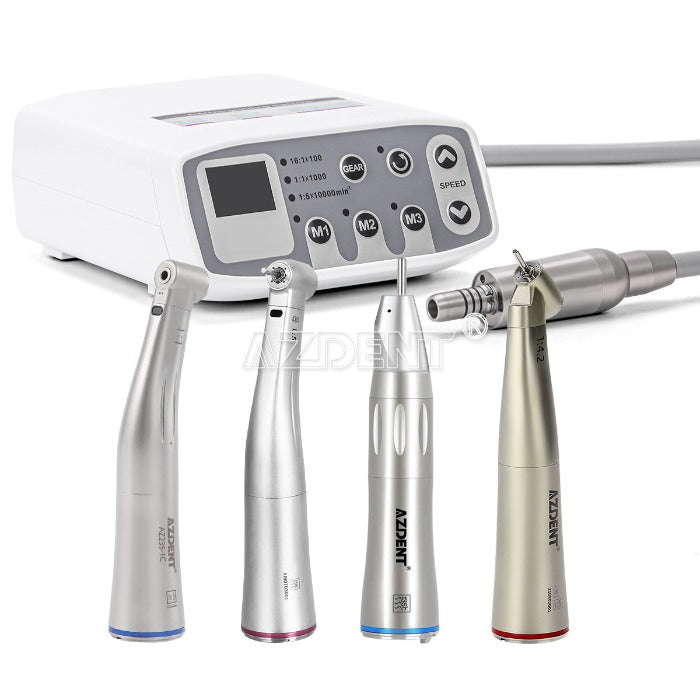
Rotary instruments powered by electric motors make canal shaping faster and more accurate compared to traditional hand files.
Pain Management in Endodontics
Pain management is a top priority in endodontic procedures. Advances in anesthesia, including the use of computer-controlled local anesthetic delivery systems, have improved patient comfort. Additionally, endodontists often utilize sedation options for patients with dental anxiety, ensuring a pain-free experience.
Post-Operative Care
Post-operative care is critical in ensuring successful outcomes after endodontic treatment. Patients may experience mild discomfort, which can typically be managed with over-the-counter painkillers. Dentists often provide specific instructions to aid in recovery, including:
- Maintaining good oral hygiene
- Avoiding chewing on the treated side until fully restored
- Following up for any additional treatments or restorations, if necessary
Conclusion: The Future of Endodontics
The future of endodontics looks promising as new technologies and techniques continue to emerge. These advancements not only enhance the quality of care provided but also play a vital role in promoting dental health and comfort for patients. By understanding the importance of endodontic treatment and staying informed about the latest innovations, patients can make educated decisions regarding their oral health.
In conclusion, endo dental practices are essential in addressing complex dental issues and ensuring long-term oral health. Regular dental check-ups can lead to early detection of potential issues, making endodontic treatment less necessary. However, should the need arise, understanding the procedures and the technology behind them can help alleviate concerns and emphasize the importance of preserving natural teeth.