Blockchain-based gaming ecosystems continue to blur the line between gambling (digital assets), and online gaming economies. Instant crypto withdrawals are becoming a major competitive differentiator in online casinos and sportsbooks. Some banks remain cautious toward gambling-related crypto businesses, especially in heavily regulated markets.
Content is provided to online gaming casinos by them (and while their primary emphasis lies on high-quality slot and how white-label payment gateways work digital casino offerings—such as groundbreaking slots and live dealer games—there is also potential for this to encompass the crypto casino sector), which could greatly enhance a casino’s reputation. TrueiGTech functions as an online developer for casinos and sports betting (possessing the capability for supporting crypto payment systems and fully customizable gaming platforms), enabling operational scalability and offering comprehensive backend management solutions. Services for infinite game aggregation streamline the integration of various games into the platform through a single API.
For example — some regions may embrace cryptocurrencies enthusiastically, while others, facing stricter regulations on digital currency, require different strategies. Boku has the potential to significantly enhance engagement among mobile users and those who are hesitant about the security of conventional online payment methods for operators. By providing PayNearMe — operators can greatly widen their customer reach by catering to a segment that favors or necessitates cash transactions. A prepaid payment option known as Paysafecard enables users to conduct online payments utilizing a 16-digit PIN (which can be purchased at retail locations), bypassing the need for a bank account or credit card. Financial data security is ensured through the use of specific device numbers and unique transaction codes, although its availability is restricted to users of Apple devices, which could limit access for a broader audience. These payment solutions are globally recognized and trusted — facilitating instant deposits.
Your tailored offer is ready — would you like to discuss it with our manager now?
An essential characteristic to seek is a centralized multi-currency wallet that accommodates both fiat and cryptocurrencies , like BTC and USDT, to effectively manage balances and reduce volatility. Prominent cryptocurrencies such as Ethereum (ETH) and Litecoin (LTC) are also widely accepted, constituting a fundamental group of digital assets utilized frequently by players and operators for transactions within the iGaming sector. The genuine dilemma for an iGaming executive is not whether to choose “crypto or fiat. It involves a deliberate choice regarding a preferred set of operational challenges. An operator can enter multiple new markets with low initial capital investment, as constructing a complete array of local payment integrations for each market is unnecessary. Utilizing a single, globally-enabled crypto payment gateway allows an operator to simultaneously introduce its brand in various target regions. The process can often prolong for months for each individual market, creating a notable delay between recognizing an opportunity and producing revenue.
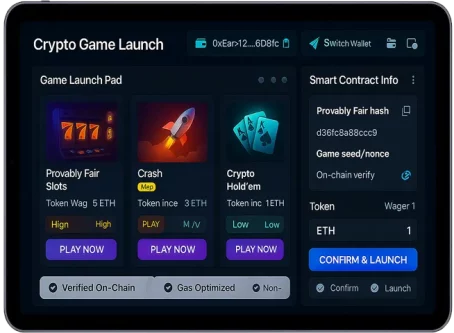
No chargebacks
As a global leader in iGaming, help your users turn transactions into experiences with Paysafe. For operators considering Bitcoin payments, the Lightning Network offers another way to approach transaction speed and settlement. Explore LightningPay’s crypto payment gateway for iGaming or contact our team to discuss your integration requirements. By avoiding a gateway custody arrangement, operators can reduce their dependence on a third party holding player funds during settlement. A crypto payment gateway needs to work with the existing casino or sportsbook cashier, payment logic and transaction records. This gives operators direct control over their treasury arrangements while avoiding an additional gateway custody layer.
Paysafe distinguishes itself with features specifically engineered for the iGaming industry. The principle of ‘your keys, your crypto’ is not just a feature; it is the foundation of the platform, granting operators complete sovereignty over their revenue. From Paysafe’s comprehensive fiat coverage to ATLOS’s no-KYC crypto approach, this roundup provides the detailed comparison you need to make an informed decision.
While you control your compliance strategy (PayRam provides a suite of automated tools), including KYC verification, to help you efficiently meet the specific regulatory requirements of your licensing jurisdiction. PayRam supports all major cryptocurrencies and tokens — including Bitcoin (BTC), Ethereum (ETH), Tron (TRX), Solana (SOL), and a wide range of stablecoins like USDT across multiple networks. If you’re ready to build a more secure (efficient), and profitable payment system for your iGaming platform, contact PayRam today.
This strategy considerably minimizes the technical burdens for operators while enhancing player options. For gambling operators that emphasize extensive payment method availability and high approval rates in regulated markets (particularly in the US), Paysafe offers a compelling, all-inclusive solution. Furthermore (prospective users need to reach out to the ATLOS team or request a demo for a specific cost structure), as detailed pricing information is not openly available on their website. To better understand options and considerations for selecting a cryptocurrency payment gateway, investigate insights on how to find the ideal crypto payment gateway for your business. Payments are transferred directly from the customer’s wallet to the merchant’s self-custody wallet.
For any operator in a sector classified as high-risk payment processing, the threat of chargebacks is a constant source of revenue leakage. This guide is a decision-making framework for operators evaluating modern iGaming payment solutions. Traditional systems like card networks and SWIFT are slow (expensive), and riddled with vulnerabilities, creating significant operational friction and revenue loss. Global online gambling revenues are projected to reach a staggering $117.5 billion in 2025, a clear signal of massive player demand.
Operators currently utilizing CoinsPaid occasionally seek alternatives when they require native Lightning Network support or faster payout cycles on a larger scale. CoinPaid provides extensive infrastructure for crypto payments across various industries, including gaming. Online casinos, sports betting sites, sweepstakes platforms, and prediction markets perceive withdrawal speed as a factor for retaining customers rather than merely a banking operation. A gateway designed for gaming must prioritize payout speed as a fundamental feature, rather than a supplementary one. This guide evaluates the crypto payment gateways that operators frequently consider — employing criteria tailored to the specific needs of gambling rather than standard merchant checklists.
What matters is that someone is clearly responsible for custody (screening and record-keeping), and that it’s written into the contract. This is the feature operators value most and the one players lose most from if something goes wrong. In the EU, the Markets in Crypto-Assets Regulation (MiCA) now governs how crypto-asset services operate. Crypto payments are legal for gambling in some regulated markets and prohibited or unaddressed in others – there is no single global rule. If you’re accepting Bitcoin because you want exposure to Bitcoin (that’s a treasury decision), not a payments one, and it shouldn’t sit inside the deposit flow. Volatility is a feature nobody wants in a payment.
The complexity is a byproduct of navigating state-by-state gambling regulations — and Paysafe provides guidance to ensure operators meet all necessary requirements. This tailored approach (while lacking transparency), allows larger operators to secure more favorable rates. Its single API provides access to over 250 payment methods globally, but the real advantage for US operators is the inclusion of its “Pay by Bank” feature.