Luck versus skill what really influences your gambling success
The Role of Luck in Gambling
Luck is often seen as the driving force behind gambling outcomes, particularly in games of chance like slots and roulette. In these games, the results are determined by random number generators or mechanical processes, which means players have little to no control over the outcome. Many gamblers attribute their successes and failures to luck, believing that good fortune can lead to substantial winnings while bad luck results in losses. This perspective underscores the unpredictable nature of these games, where outcomes can fluctuate wildly with each spin or hand. Additionally, players can explore options like Casoola casino to experience various games and understand how luck influences results.

However, it’s essential to understand that while luck plays a significant role, it is not the only factor influencing gambling success. Players often encounter streaks of luck, whether positive or negative, which can sway their decisions and overall gambling experience. Some individuals may experience a series of wins that embolden them to continue playing, while others may find themselves on a losing streak that affects their confidence. These psychological elements can amplify the role of luck, creating a cycle of belief that one is either fortunate or cursed.
In the long run, luck tends to even out, especially in games where probability and statistics govern outcomes. While a single lucky win can provide immediate gratification, it is the understanding of odds and probabilities that ultimately determines long-term success. Players who recognize that luck is transient can better manage their expectations and gambling strategies, shifting the focus toward skills that can enhance their play in the future.
The Importance of Skill in Gambling
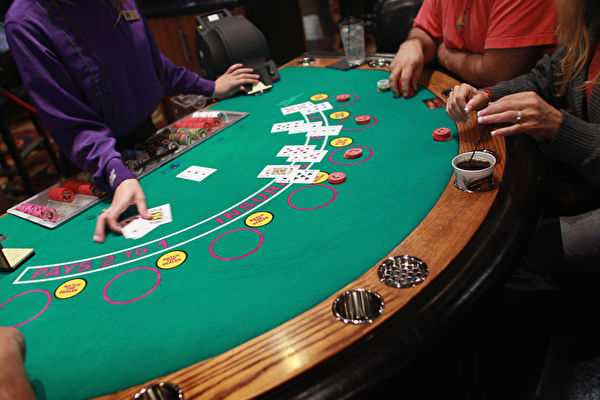
While luck may dominate certain gambling scenarios, skill is an equally crucial component, particularly in games that require strategy and decision-making, such as poker and blackjack. Skilled players often possess a deeper understanding of the game’s intricacies, allowing them to make more informed decisions. For instance, in poker, players utilize techniques such as bluffing, reading opponents, and calculating pot odds to improve their chances of winning. This strategic approach can significantly tilt the odds in favor of the player, highlighting the importance of skill in gambling.
Moreover, skillful gamblers often develop a strong sense of discipline, which includes bankroll management and emotional control. These attributes enable players to stick to their strategies, avoid impulsive decisions, and maintain their focus even during challenging times. By practicing patience and self-control, skilled gamblers can navigate the highs and lows of the gambling landscape, resulting in a more sustainable approach to their activities. This discipline can often differentiate successful gamblers from those who rely solely on luck.
Additionally, the concept of skill extends to understanding the psychology of gambling. Players who can remain emotionally detached from their wins and losses are more likely to make rational decisions. They are aware that losses are a part of the game and do not let short-term results cloud their judgment. By combining emotional intelligence with practical skills, these players can significantly improve their gambling outcomes, moving beyond sheer luck.
The psychology of gambling plays a pivotal role in influencing both luck and skill. Cognitive biases, such as the gambler’s fallacy, can lead individuals to believe that past outcomes affect future results. For example, a player might think that after several losses, a win is “due,” leading to increased risk-taking. This misjudgment can result in poor decisions that directly impact their overall success. Understanding these psychological aspects is crucial for gamblers who wish to enhance their performance.
Furthermore, the excitement and thrill associated with gambling can create a psychological attachment that may cloud judgment. The anticipation of a big win can lead to overconfidence, causing individuals to chase losses or make impulsive bets. Awareness of these emotional triggers can help gamblers make more calculated choices, balancing their instincts with a rational approach. By acknowledging the psychological dimensions of gambling, players can refine their strategies and reduce the risk of emotionally-driven decisions.
Lastly, the environment in which gambling occurs can also influence psychological outcomes. For example, playing in a crowded casino filled with noise and excitement may lead to hurried decisions, while a calm, focused atmosphere can foster better strategic thinking. Recognizing the impact of the gambling environment allows players to select situations that align better with their psychological strengths, ultimately enhancing their chances of success.
To maximize gambling success, players should adopt strategies that balance luck and skill. First, educating oneself about the games being played is crucial. By understanding the rules, odds, and strategies involved, gamblers can make more informed decisions that enhance their skill level. Additionally, practicing games, whether through simulations or lower-stakes play, allows individuals to develop their skills without risking significant amounts of money.
Setting clear limits is another effective strategy. By establishing both monetary and time limits, players can avoid getting caught up in the thrill of the moment, which can often lead to poor choices. This self-imposed discipline helps maintain a balance between enjoying the aspect of luck while still prioritizing the need for skillful play. Furthermore, tracking performance over time can provide insights into what strategies work and which do not, allowing players to refine their approaches accordingly.
Lastly, developing a support network can also aid in balancing luck and skill in gambling. Engaging with other players allows for shared knowledge and experiences, fostering a community where learning from one another can lead to improved strategies. By discussing strategies and gaining insights from others, individuals can enhance their skills while acknowledging the unpredictable nature of luck in gambling.
This website serves as a comprehensive resource for individuals interested in understanding the dynamics of gambling, specifically the interplay between luck and skill. It aims to provide valuable insights, tips, and strategies to help readers navigate the complexities of the gambling world. By emphasizing a balanced approach, the website promotes responsible gambling while encouraging players to enhance their skills for improved outcomes.
Visitors will find a range of informative content designed to deepen their understanding of psychological factors, game mechanics, and effective strategies. The emphasis on education serves to empower players, enabling them to make informed decisions whether they are seasoned gamblers or newcomers. Through a commitment to safety and an ethical approach to gambling, this website fosters a supportive environment for all users.
“`